
The Origin of Chicken Inasal: History and Regional Roots
A brief overview of chicken inasal
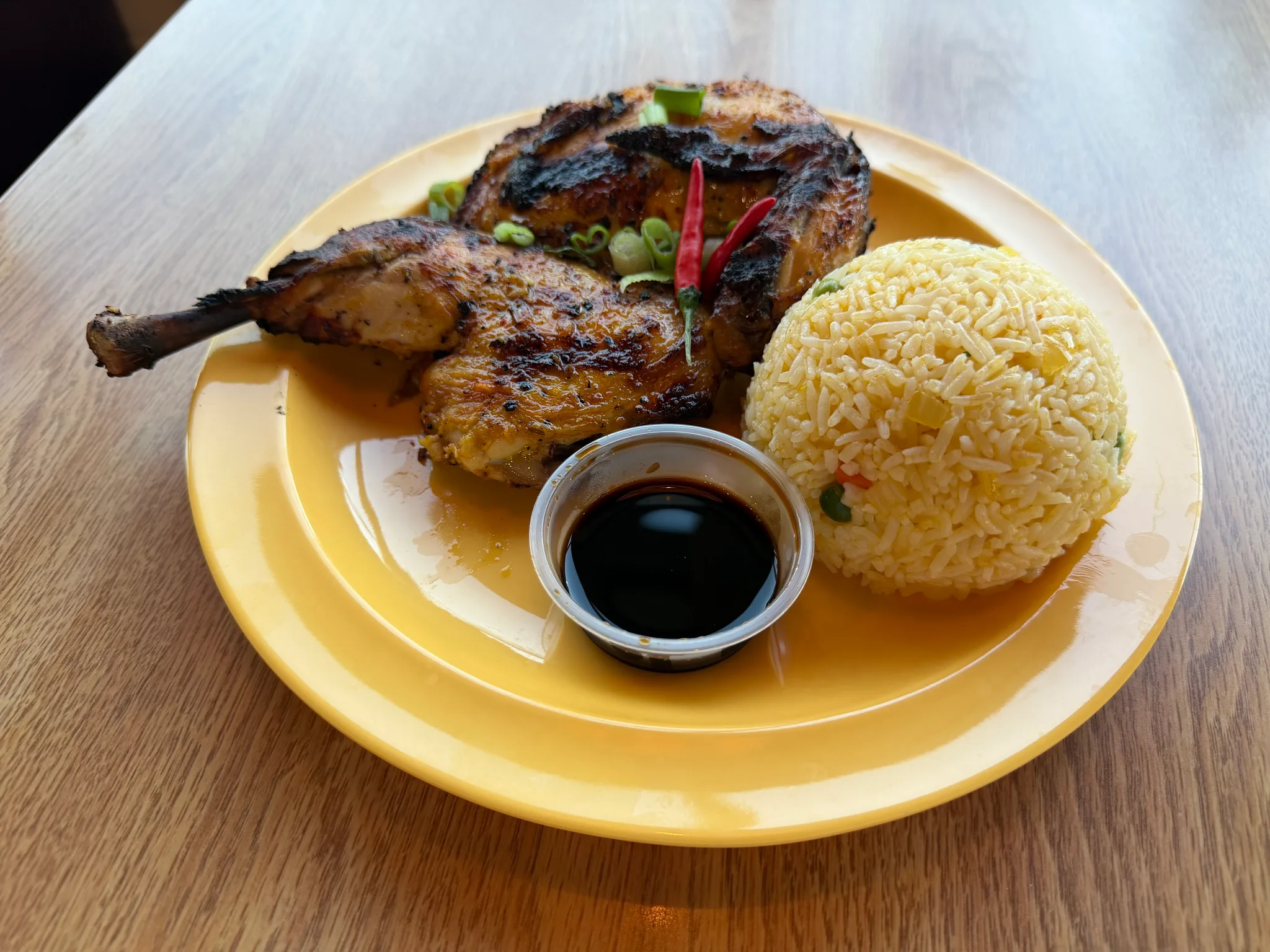
Chicken inasal is a Filipino grilled chicken dish known for its bright, savory marinade and charcoal-grilled finish. It’s commonly served with rice and dipping sauces and is recognizable by its fragrant citrus, oil, and annatto-tinged glaze.
Historical context and regional roots
Scholars and culinary observers commonly associate chicken inasal with the Western Visayas region of the Philippines, particularly the province of Iloilo and its urban centers. Local grilling traditions and market foodways in that area provided the setting where the dish took shape.
Rather than springing from a single inventor, inasal appears to have grown from everyday practices: open-fire grilling, local citrus use, and communal eating. Over time those techniques and flavor preferences coalesced into a recognizable regional specialty.
Traditional preparation methods tied to place
Traditional inasal preparation ties closely to charcoal grilling and repeated basting. Local cooks commonly marinate pieces of chicken in a mixture that often includes citrus, vinegar, aromatics, and oil, then grill over hot coals while basting to develop a fragrant exterior.
Another distinctive element is the use of annatto (achuete) oil or similar coloring agents that brighten the bird’s surface and contribute a mild, earthy note. The combination of open flame, steady basting, and a simple char is central to the dish’s profile.
How regional ingredients and techniques shaped the dish
Local ingredient availability and cooking methods shaped inasal’s identity. Small differences in citrus, vinegar type, or the choice to incorporate annatto oil make regional variations distinctive while keeping the same core approach.
- Marinade and acidity: Local citrus and vinegars help tenderize the meat and add bright notes that cut through the grill char.
- Charcoal grilling: Open-fire cooking imparts smoky, savory aromas that define the finished dish.
- Basting and oil: Repeated basting with oil or butter keeps the meat moist and builds the glossy, slightly caramelized surface.
- Accompaniments: Simple sides — rice, pickled vegetables, and a tangy dipping sauce — reinforce the dish’s balance of savory, sour, and umami elements.
Evolution: from local specialty to wider popularity
Chicken inasal began as a regional street and home-cooking tradition and gradually spread through interregional migration, restaurants, and Filipino dining scenes outside the region. As people moved, they brought recipes, techniques, and preferences with them.
In more recent decades the dish has entered urban restaurants, chain formats, and overseas menus, where cooks adapt preparation and presentation while highlighting the dish’s core traits: citrus-accented marinade, charcoal grilling, and bold flavor.
How origin influences flavor and presentation today
Knowing inasal’s regional roots helps explain why certain flavors and presentations feel authentic: the balance of citrus and oil, the visible basting and charring, and simple accompaniments are all reflections of local cooking conditions and ingredient choices. Restaurants and home cooks who emphasize those origins usually deliver a more recognizable inasal experience.
Further reading
For a deeper look at the dish’s background and how it’s prepared in different contexts, see our broader piece that explores chicken inasal’s place in Filipino cooking and restaurant culture.
What Is Filipino Chicken Inasal? The Story Behind the Grill
Definitions and flavor notes (related posts)
If you want more on terminology and taste, check these posts that explain what “inasal” means and describe common flavor notes associated with the dish.
What “Inasal” Means: A Clear Definition and How the Term Is Used
Hungry for more?
Join the list for new menu items, member-only deals, and special offers.