
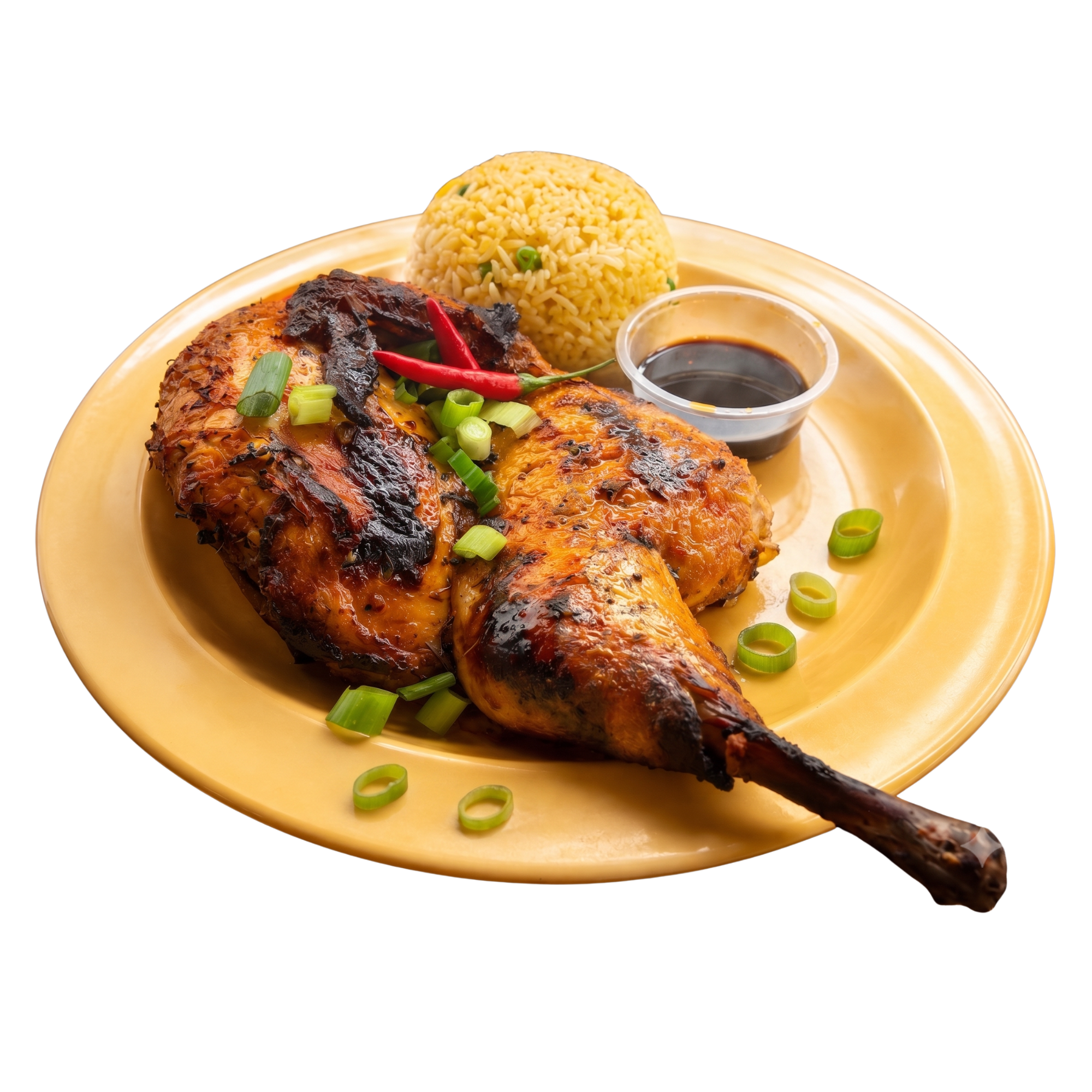
What Does Chicken Inasal Taste Like? Flavor Notes and What to Expect
Why people ask about the taste (and why it can vary)
Chicken inasal often invites curiosity because it combines bright citrus, savory aromatics, and grill smoke in a simple-looking dish. Regional styles and family recipes change the balance of those elements, so two versions can feel familiar yet different. This section explains what to expect and why variation is normal.
Typical flavor elements you’ll notice
When people describe inasal they usually point to a handful of recurring notes. Not every version has every element, but these give a reliable sense of the dish’s profile and what to listen for on your first bite.
Citrus brightness — a tart, tangy lift often from calamansi or a light vinegar finish.
Garlic and aromatics — a warm, savory backbone from peeled garlic, ginger, or other seasonings.
Annatto/achuete color and gentle nuttiness — oil or paste can add a subtle earthy, mildly peppery note.
Smoky char — grilling over coals or wood contributes a toasty, slightly bitter char that balances the citrus.
Mild sweetness — a hint of sweetness from marinades or basting oils that rounds the edges.
Tender juiciness and umami — the texture and savory depth that make each bite satisfying.
How preparation and accompaniments change the tasting experience
Marinade ingredients, how long the meat soaks, and whether cooks baste with annatto oil or another glaze all shift the flavor balance. A longer citrus-based marinade will read tangier; heavier basting or a sweeter glaze will soften the acid and emphasize caramelized notes from the grill.
Sides and condiments also alter perception. Steamed rice, garlic rice, a squeeze of citrus, spiced vinegar, or pickled vegetables will either highlight the dish’s acidity, temper the smokiness, or add contrast. Notice how the same bite tastes different with and without a vinegar dip — that contrast is central to the inasal experience.
Tips for first-time tasters and simple pairings
If you’re trying inasal for the first time, start with a plain bite on its own to register the marinade, char, and texture. Then taste it with a small spoon of rice and a touch of acidic condiment to notice how acidity brightens the flavors. Sampling the meat both with and without condiments highlights the dish’s layered profile.
Pairing suggestions: try simple steamed rice to focus on the chicken, garlic rice for a richer mouthfeel, or a small acidic dip to lift the citrus notes. For an easy first order from our menu, look under our Chicken Inasal category to find classic grilled options prepared in that tradition.
Taste a plain bite first, then add rice and a little condiment to compare.
Use a squeeze of citrus or a touch of Toyomansi (Soy Sauce + Calamansi) to brighten the flavor.
Pair with neutral rice to emphasize marinade, or garlic rice for a heartier pairing.
Where to learn more and next steps
If you want deeper context about the dish’s origins, cooking method, and regional variations, our background piece goes into the story behind the grill and how inasal evolved. For other ways we serve it—like bowls and salads that showcase different accompaniments—check the menu sections to decide how you’d like to try it next.
Hungry for more?
Join the list for new menu items, member-only deals, and special offers.